Slotting
Slotting Software: What Slotting Is
- Category
- Slotting
- Published
- 12 Oct 2026
- Last verified
- 12 Oct 2026
- Reading time
- 5 min
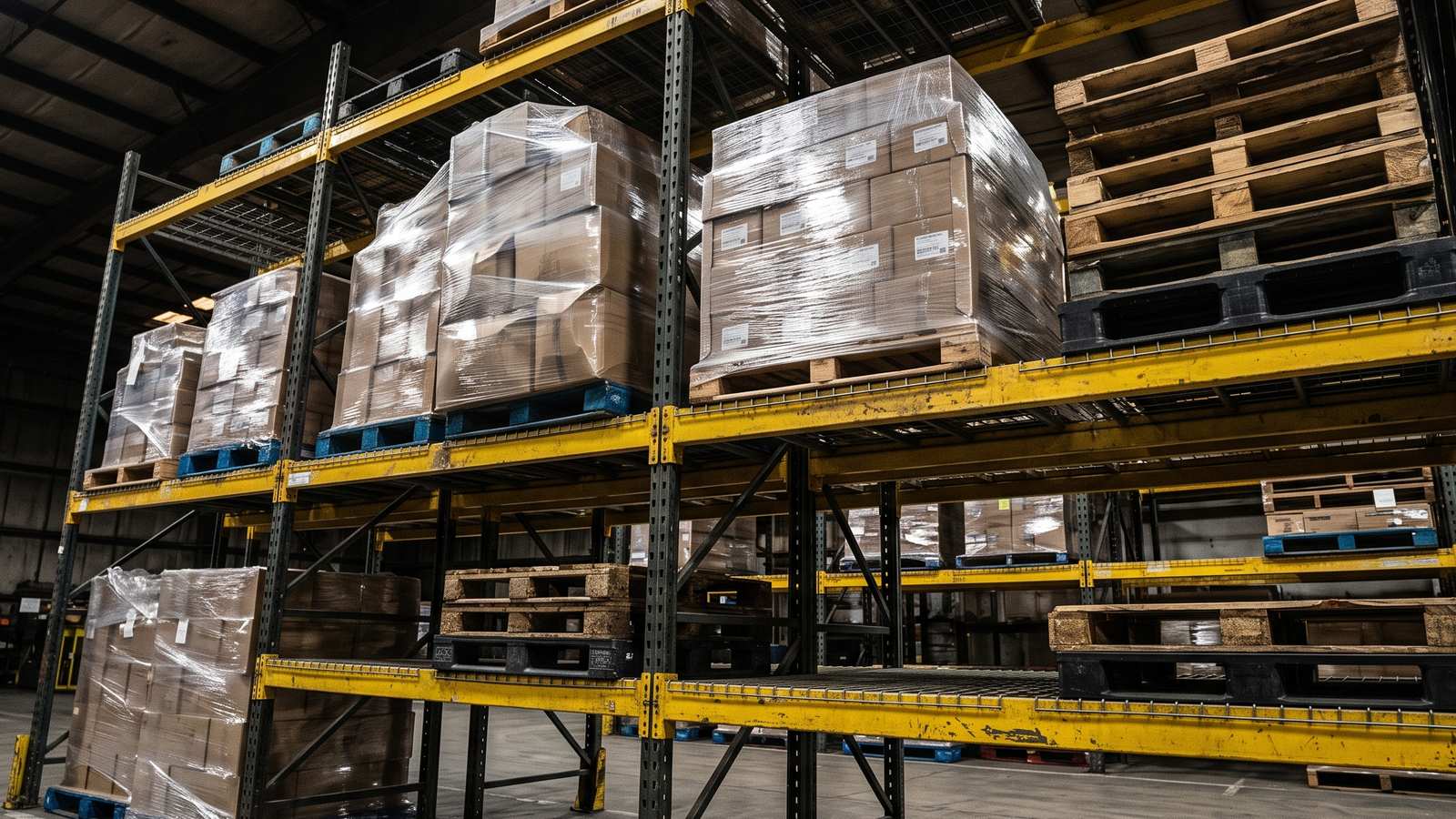
Slotting means deciding where each product lives in the building. Not just any open space, but the right space for how fast it moves, how big it is and how it is picked.
It sounds minor. In a busy warehouse it decides how far pickers walk, how often they bend or climb, and how often a pallet blocks an aisle. This page explains the rules behind slotting, how to try it by hand, and what software adds when you need it.
Slotting in plain terms
Think of your pick area as a shop. Bestsellers go at eye level near the front. Slow, bulky or odd items go to the back or the top. A warehouse does the same, except the goal is fewer steps per order, not more sales.
A slotting decision has three parts: which item, which location, and how much space to give it. Re-slotting is doing it again when things change, such as a new product, a change in demand or a seasonal swing.
The rules that drive slotting
Most slotting comes down to four questions about each item.
Velocity: how often is it picked?
Count picks, not units. An item shipped in cases of fifty may be picked once a day, while a small item with one unit per order may be picked fifty times. Fast pickers' items belong close to the pack bench or the dock.
Size and shape: does it fit?
A slot that is too small means constant refilling. A slot that is too large wastes space that another item could use. Match the slot to the item's dimensions and how many you want to hold.
Weight: can it be lifted safely?
Heavy items go low. Light items can go high. This protects people and keeps the high shelves usable.
Relationships: what travels together?
Some items are ordered together over and over. Placing them near one another cuts walking. Other items must stay apart, such as products that cross-contaminate or look alike.
The golden zone idea
The golden zone is the band of shelving between roughly waist and shoulder height, where picking is quickest and least tiring. Put your fastest movers here. Move slow items above or below. In a small building, treat the zone as a rule of thumb rather than a measurement.
The same logic applies along the aisle: the nearer to the dock or pack area, the faster the picks should be.
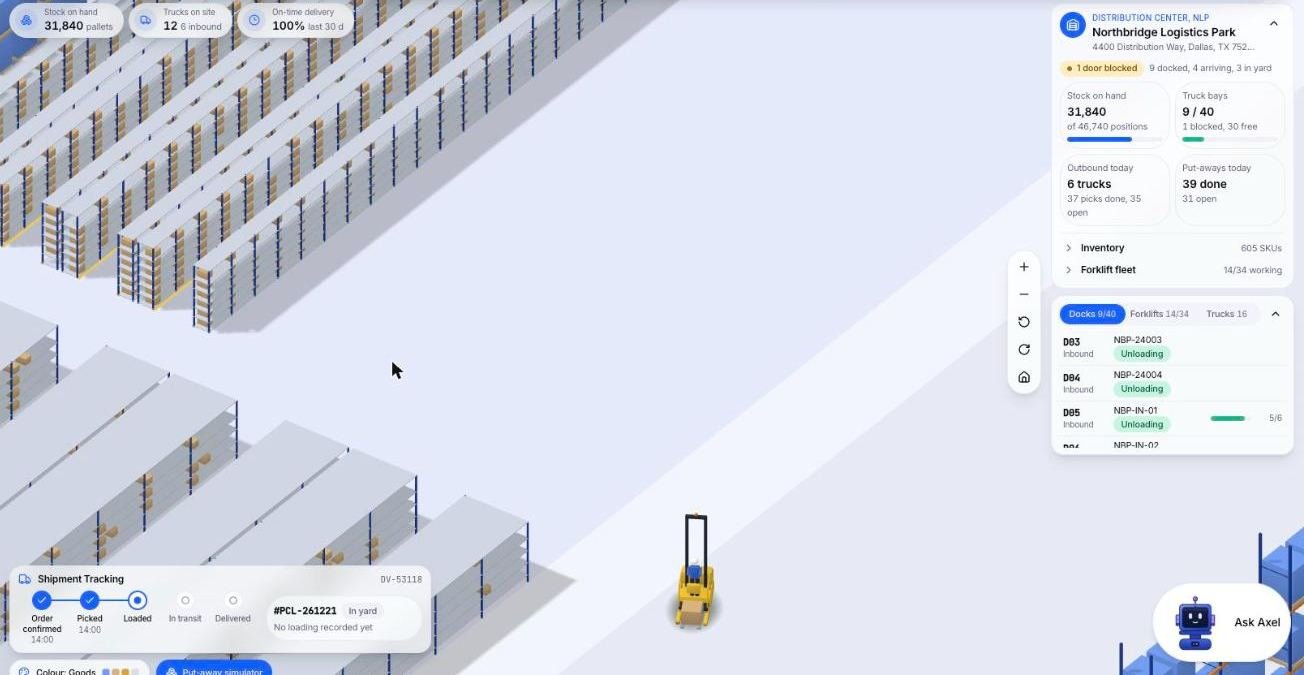
Here is what shelving rows and an open aisle look like on a screen from the Microsive demo platform, with demo data.
Manual slotting with a sheet
You can start without software. A spreadsheet and an hour will show you whether slotting is worth chasing.
- List your items. Code, description, dimensions, weight.
- Add a pick count. Count order lines per item over a recent period. A simple export from your order system or a tally from the pick lists will do.
- Rank by picks. The top group is your fast movers.
- List your locations. Mark which are at golden-zone height and close to the dock.
- Match. Put the fastest items into the best locations that fit them.
- Move in small steps. Re-slot a zone each week instead of the whole building in one weekend.
- Watch the pick path. Does the walk feel shorter? Do pickers still cross the building twice per order?
Keep the old locations written down for a few days so nobody hunts for an item that has moved.
An example (hypothetical)
A small cosmetics fulfiller stores six hundred items on three aisles. Most orders contain a lip balm, a hand cream and a small gift tin. All three live in different aisles because that is where there was space when they arrived.
The owner ranks items by picks and sees that about a dozen items appear in most orders. She moves those into one bay near the pack bench at waist height. The slow, bulky gift boxes go up on the top level. Pickers now start many orders in a single bay. The difference is easy to feel, even without exact measurements.
This business is invented, but the shape of the result is common: a small set of items accounts for most of the walking.
When slotting starts to pay
Not every warehouse needs formal slotting. It pays more when:
- Order lines per day are high enough that walking is the largest labor cost.
- The product range is wide, with a small number of fast movers.
- Demand shifts with seasons or promotions.
- Pickers are new and need a layout that makes sense.
- Goods vary a lot in size, so space is wasted or tight.
It pays less when you have a single product, a very small catalog, or most of your work is full pallets.
What slotting software adds
A sheet gets stale. Software helps when the sheet cannot keep up. Typical things a slotting tool or module can do:
- Use live pick data rather than a one-time export, so rankings stay current.
- Suggest moves by comparing where an item is with where its pick frequency says it belongs.
- Check fit against slot dimensions and weight limits.
- Group related items that are often ordered together.
- Plan the move, creating tasks so staff relocate goods in a sensible order and the system records the new location.
- Show the effect, such as lower travel distance for a sample of orders, so you can see whether a change helped.
Some do this as a separate tool and some as part of a WMS. Others only produce a report, and a person still decides.
Questions for vendors
- Does it use my real order history, and how far back?
- How does it handle seasonal items?
- Can it respect rules I set, such as weight limits, hazard separation or items that must stay apart?
- Does it produce move tasks, or only a list?
- How does it record a relocation so stock stays accurate during the move?
- Can I override a suggestion and have the system remember why?
- What data do you need from me to start?
Mistakes to avoid
- Re-slotting everything at once and stopping work for a weekend.
- Ignoring weight and ergonomics because a location is fast.
- Skipping the label update, so staff trust the old tags.
- Slotting once and never again. A layout that fits today's mix goes stale.
- Chasing tiny gains in a warehouse where receiving or packing is the real bottleneck.
Where a custom build fits
Slotting is one place where a custom build can fit unusual rules, since Cargohold is a one-time custom build, no per-seat, per-truck or per-client fees. Whether you use a tool or a sheet, test any approach with a month of your own order lines before committing.
Next step
Rank your items by picks this week. If a handful dominate, a manual re-slot of that group is the quickest test of whether slotting matters in your building.
Questions people ask
What is slotting in a warehouse?
Deciding which item goes in which location and how much space it gets. Re-slotting is doing it again when products, demand or seasons change.
What rules drive warehouse slotting?
Velocity (how often an item is picked), size and shape, weight, and relationships between items that are ordered together or must stay apart.
What is the golden zone in a warehouse?
The band of shelving between roughly waist and shoulder height, where picking is quickest and least tiring. Fastest movers go there, and slow items go above or below.
Can I do slotting without software?
Yes. List items, count picks per item from a recent period, rank them, mark the best locations, match fast movers to them and move one zone a week.
What does slotting software do?
Live pick data instead of a one-time export, suggested moves, checks against slot size and weight limits, grouping of related items, move tasks and a view of the effect on travel distance.
When does warehouse slotting pay off?
When order lines per day are high, the range is wide with a few fast movers, demand shifts with seasons, pickers are new, or goods vary a lot in size. It pays less with a single product, a tiny catalog or mostly full pallets.
Sources
- No third-party facts, prices or vendor claims are used on this page. Rules of thumb are working material and the example is hypothetical.